Typical job
Bites showing up after sleeping in bed
The owner gets a written scope and price before committing, and treatment is scheduled once they approve the plan.
Pest Control · St James, MO
St. James summers push pests indoors. Hot, humid weather means ant trails on counters and mosquitoes breeding in every shaded yard from Schundler to the edges of Maramec Spring Park we treat both the interior and the perimeter so activity stops at the door.
When dry spells hit, insects migrate toward irrigated lawns and gardens, which is why we focus perimeter treatments on the watered zones around your foundation rather than blanketing the whole property. Winter changes the job entirely. Cold Ozark freezes drive mice and rats toward wall voids, attics, and crawl spaces in the older frame homes and brick ranch houses common along Route 66 and the historic downtown. Our crew inspects those entry points first, because a gap the width of a pencil is all a mouse needs. We plan treatments around the Phelps County calendar spring barrier work before mosquito season, exclusion checks before the first hard freeze. Call (855) 681-0299 and we will schedule an inspection that fits your week.
St. James sits in Phelps County wine country Rosati Winery and the spring-fed grounds near Maramec Spring Park draw visitors all season, and the same warm, humid stretch that fills those yards with people also fills them with mosquitoes, ticks, and wasps.
Spring thunderstorms drop heavy rain that leaves standing water in low spots and clogged gutters, and every one of those puddles is a mosquito hatchery within days. Homes here run the gamut from brick ranch houses to rural farm buildings, and each type hides different entry points.
James, MO with scheduled routes and honest timelines. We explain what we find, match the treatment to the pest, and put follow-up dates on the calendar before we leave your driveway. Expect clear notes, labeled products, and a tech who answers the phone.
Most St. James calls fall into three buckets: seasonal mosquito and tick pressure in yards near Maramec Spring Park, rodents moving into older frame homes as temperatures swing, and wasp nests under porch eaves on the small-town storefronts and ranch houses downtown. Missouri’s inland location means no coastal moderating effect summers bake and winters bite, so pest pressure swings hard between seasons.
Our process:
That timing matters more than most homeowners realize. Spraying a yard in February wastes product; spraying two weeks before peak hatch in spring prevents it. We serve every address in the 65559 zip code, from downtown storefronts to farmsteads off MO 8. One inspection call starts it.
Why do treatments seem to wear out faster here? Blame the ground itself.
St. James sits in Ozark country where repeated freeze-thaw cycles crack foundation seals and open hairline gaps in the brick and block that make up so many local ranch houses.
Each crack is a fresh doorway for ants, spiders, and overwintering stink bugs and it is why we re-inspect sealed points every spring instead of assuming last year’s work held.
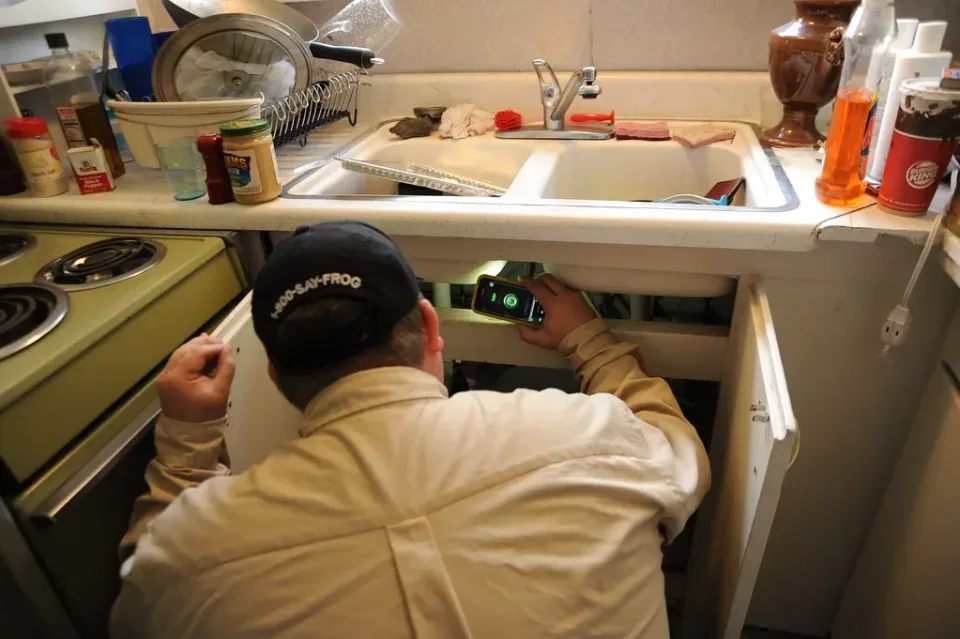
Water adds the second problem. Spring rainfall floods basements and crawl spaces in the low-lying lots around seasonal creeks, and moisture like that supports the silverfish, centipedes, and termite conditions we look for on every inspection. We carry moisture meters on those calls and treat the damp zone, not just the insects.
Weather also affects logistics. Ice storms can slow our routes along US 63 and MO 8, so we reschedule honestly rather than rush a treatment into unsafe conditions. If your Schundler-area home has a damp crawl space or recurring ant lines, that inspection is the right first step we will tell you what we find in plain terms.
How do you know a treatment in St. James is legal? Start with the label. Under FIFRA, every product must be used according to its EPA-approved label the dose, the site, and the re-entry interval are law, not suggestions. Empty containers get disposed of exactly as the label directs, never tossed loose in household trash.
Any restricted-use product requires EPA certification, and applicators keep application records showing what was applied, where, and when. Homeowners who buy over-the-counter products are not certified, which is exactly why we recommend calling a licensed crew for anything beyond a soap-and-water cleanup.
National bodies like the Association of American Pesticide Control Officials help harmonize these standards across states, but enforcement here is state-level Phelps County does not run its own pesticide licensing. If you are unsure whether a product or practice is compliant, ask us before you apply it.
Why us
Missouri Pest Pros treats St. James homes with clear explanations and practical treatment plans.
Our team started in the Kansas City area and knows how Missouri's humid summers, cold snaps, and older homes with basements and crawl spaces drive pest activity. That experience shapes every inspection and treatment we plan for St. James properties.
We confirm the target pest before selecting any treatment. You hear what we found, what we recommend, and what follow-up looks like before work begins, so the plan matches the actual problem instead of a guess.
Our process
Every job follows the same straightforward path from first call to finished treatment.
A technician inspects the property and identifies the target pest before choosing a treatment. You get a clear explanation of what was found and a recommended plan, so you know exactly what the work covers.
The crew applies products following label mixing and application directions. Occupants and pets stay outside treatment areas during service, and the technician explains when it is safe to return to treated rooms.
For rodent jobs, we seal confirmed entry points after inspection. Closing those gaps keeps new mice and rats from replacing the ones removed, which is what makes the treatment hold.
We document findings, products used, and treated locations, then schedule follow-up based on the pest and treatment. You receive a written record of the work and know when the next visit happens.
Warning signs
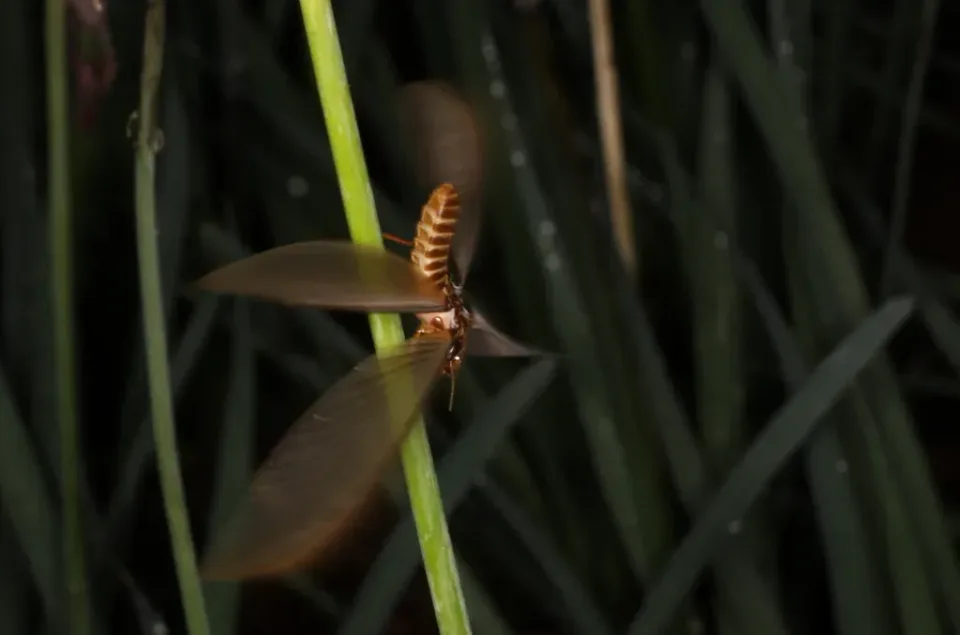
Mud tubes climbing foundation walls are a classic termite sign. These pencil-width tunnels shelter termites moving between soil and wood. Break one open and check for live insects, then schedule a termite inspection before the colony spreads into structural framing.
Workers follow scent lines back to the nest, so wiping counters only hides the trail. Tracing the line to where ants enter helps target the treatment.
Cockroaches appearing near bathroom drains usually point to a population hiding in wall voids or plumbing gaps. Seeing them in daylight often means the infestation has grown. Early treatment keeps roaches from spreading to kitchens and adjoining rooms.
Rats scratching inside the attic ceiling signal nesting above your living space. Rodents in attics chew wiring and insulation and leave droppings along travel paths. An inspection locates entry points so they can be sealed after treatment.
Through the year
Spring
Warming soil wakes termites and ants, and swarms near foundations are common in the Ozarks. Spring inspections catch mud tubes and early colonies before they reach structural wood, and treatments planned now stop activity at the start.
Summer
Missouri's humid summers push mosquitoes, wasps, and roaches into overdrive. Backyard swarms at dusk and nests under eaves peak now, so barrier treatments and nest removal keep porches and yards usable through the hottest stretch.
Fall
Cooling nights send mice and rats looking for winter shelter, and older homes with basements and crawl spaces take the brunt of it. Sealing entry points and treating before rodents settle in prevents an attic infestation later.
Winter
Winter is a good time for interior inspections and follow-up treatments with less outdoor pressure.
Before you hire
Missouri requires pesticide applicator licensing for structural work. Confirming it means the person treating your home is trained to apply products legally and correctly.
Inspection, treatment, sealing entry points, and follow-up are not always bundled. Asking for the scope in writing tells you what triggers extra charges.
Occupants and pets must stay outside treatment areas during application. Knowing reentry timing and prep steps lets you plan the day without delays.
Call to talk through your job in St James.
10+
Years serving St James
25
Areas served
Straight answers for customers in St James on pricing, delivery, and scheduling.
Yes. We cover every address in the 65559 zip code, including the Schundler area, the historic downtown along Route 66, and rural farmsteads toward Maramec Spring Park and Rosati Winery. Routes run on a set schedule so follow-ups stay on time.
Spring, before peak hatch. Heavy spring rain leaves standing water across Phelps County yards, and each pool can produce mosquitoes within about a week. We treat breeding zones and set a perimeter barrier timed to the thaw, then reapply through the humid summer months.
Most general treatments run $150–$400 depending on infestation level and visit frequency, while mosquito and tick programs are priced by yard size and treatment count. Final quotes vary by infestation, property access, treatment method, and site conditions we confirm the number after inspection, before any work starts.
Yes. James property.
Pest Control covers every ZIP code in St. James, MO.
Missouri Pest Pros
"Clear Answers. Targeted Pest Control."
I started in pest control in the Kansas City area, learning how Missouri’s humid summers, cold snaps, and older homes with basements and crawl spaces affect pest activity. I built this company to give homeowners clear explanations and practical treatment options, from termite inspections to seasonal mosquito and rodent concerns.
Share job details below or call our team directly. Phone: (855) 681-0299